The Sacred World of Ukraine
Anatoliy Kushch
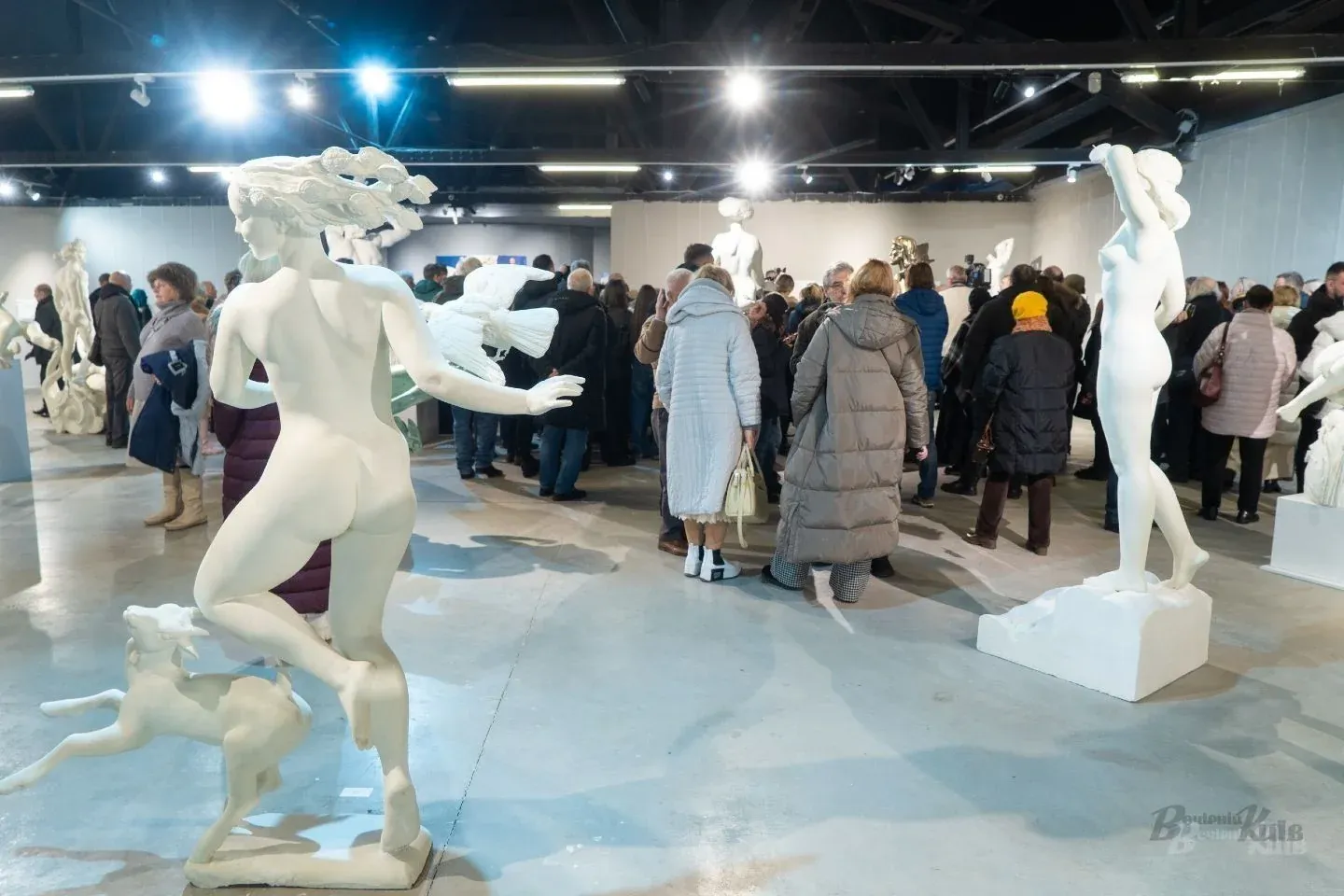
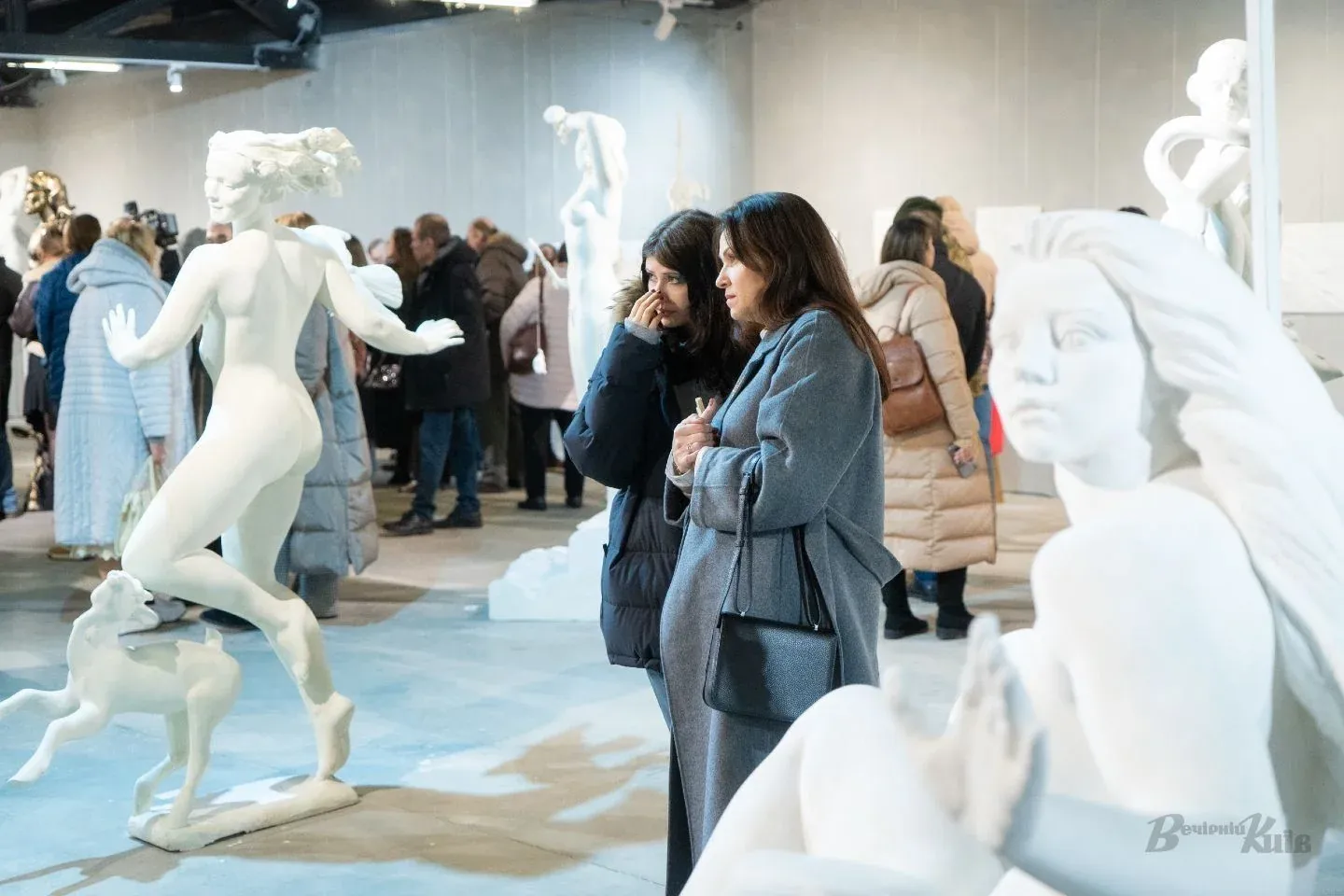
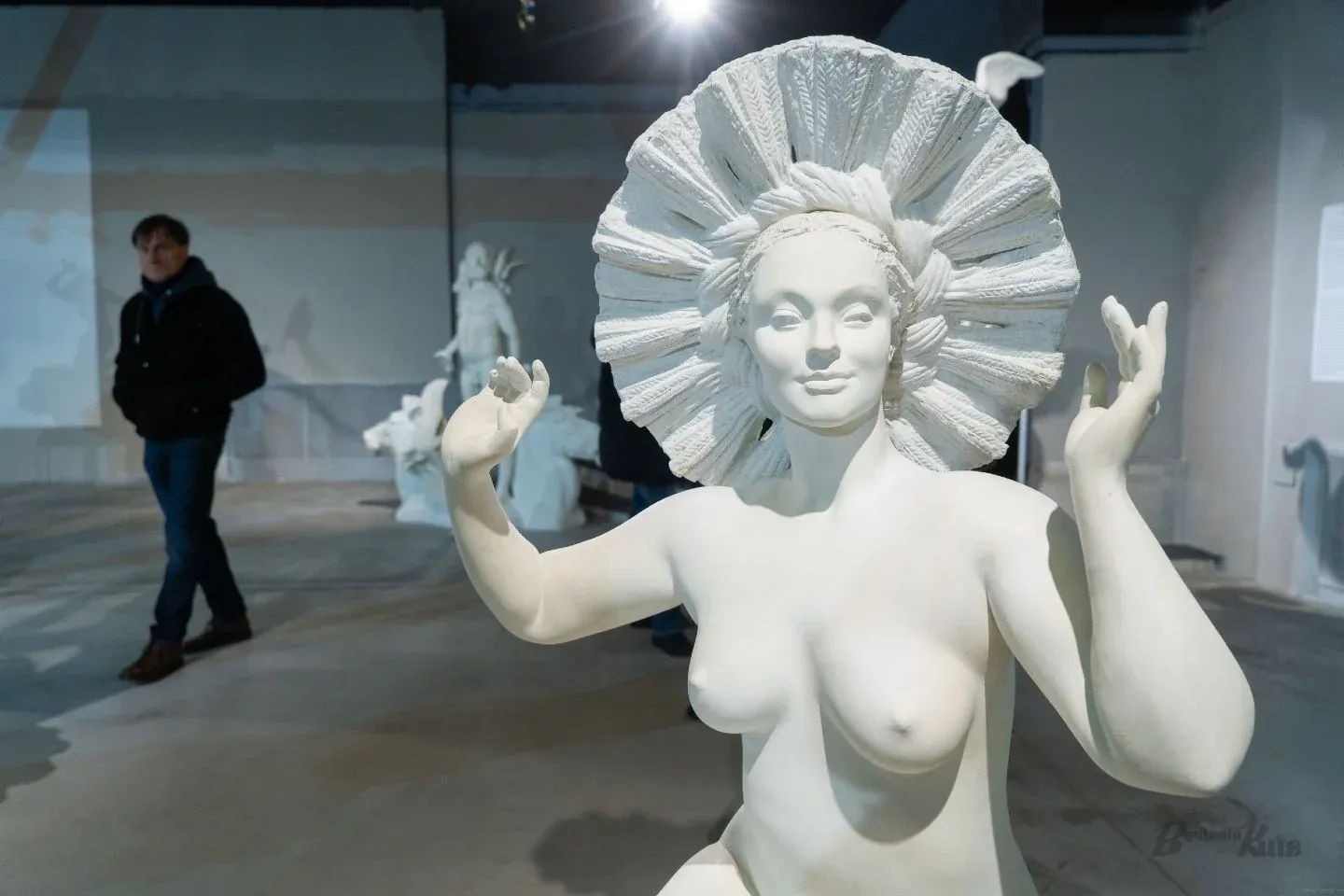
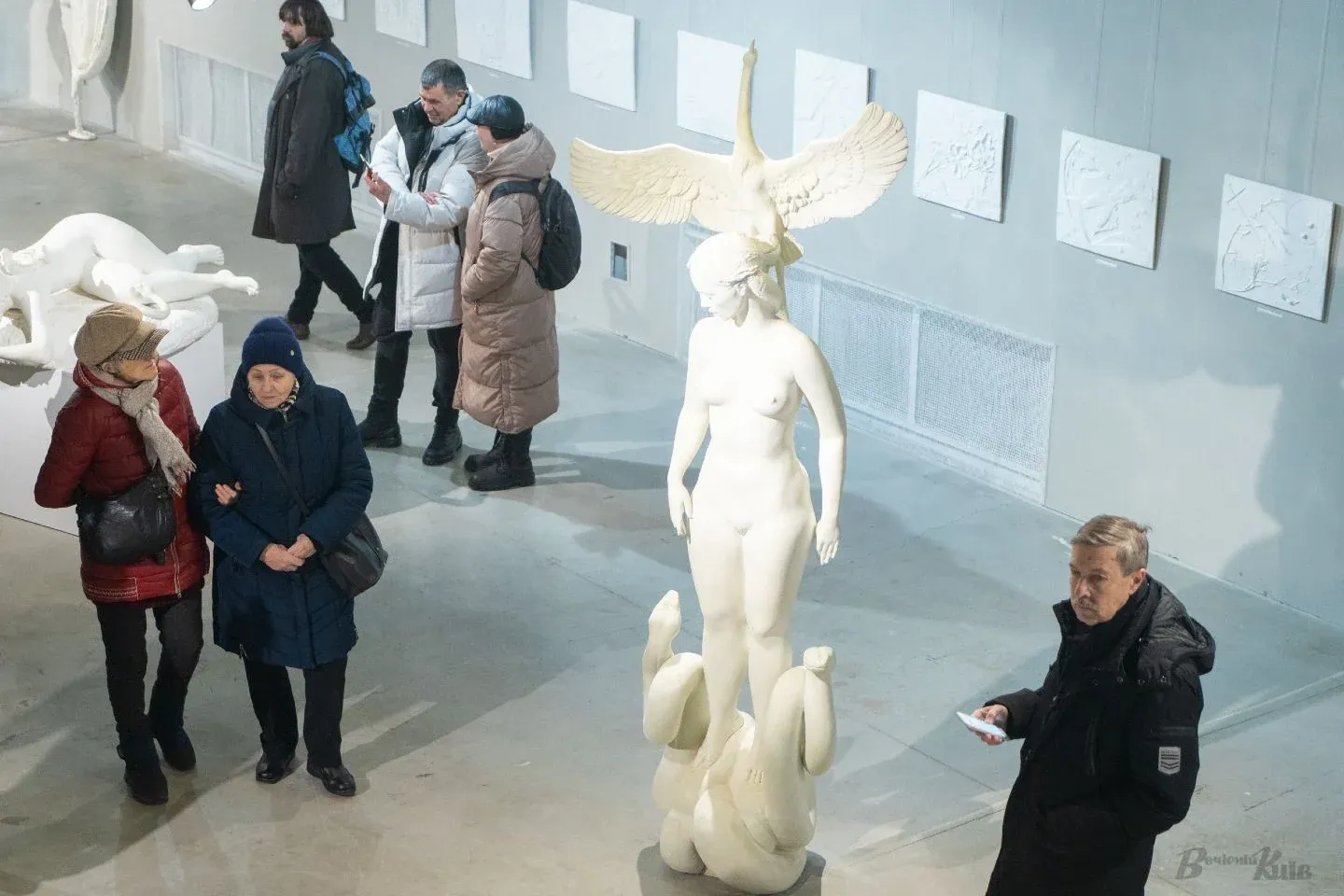
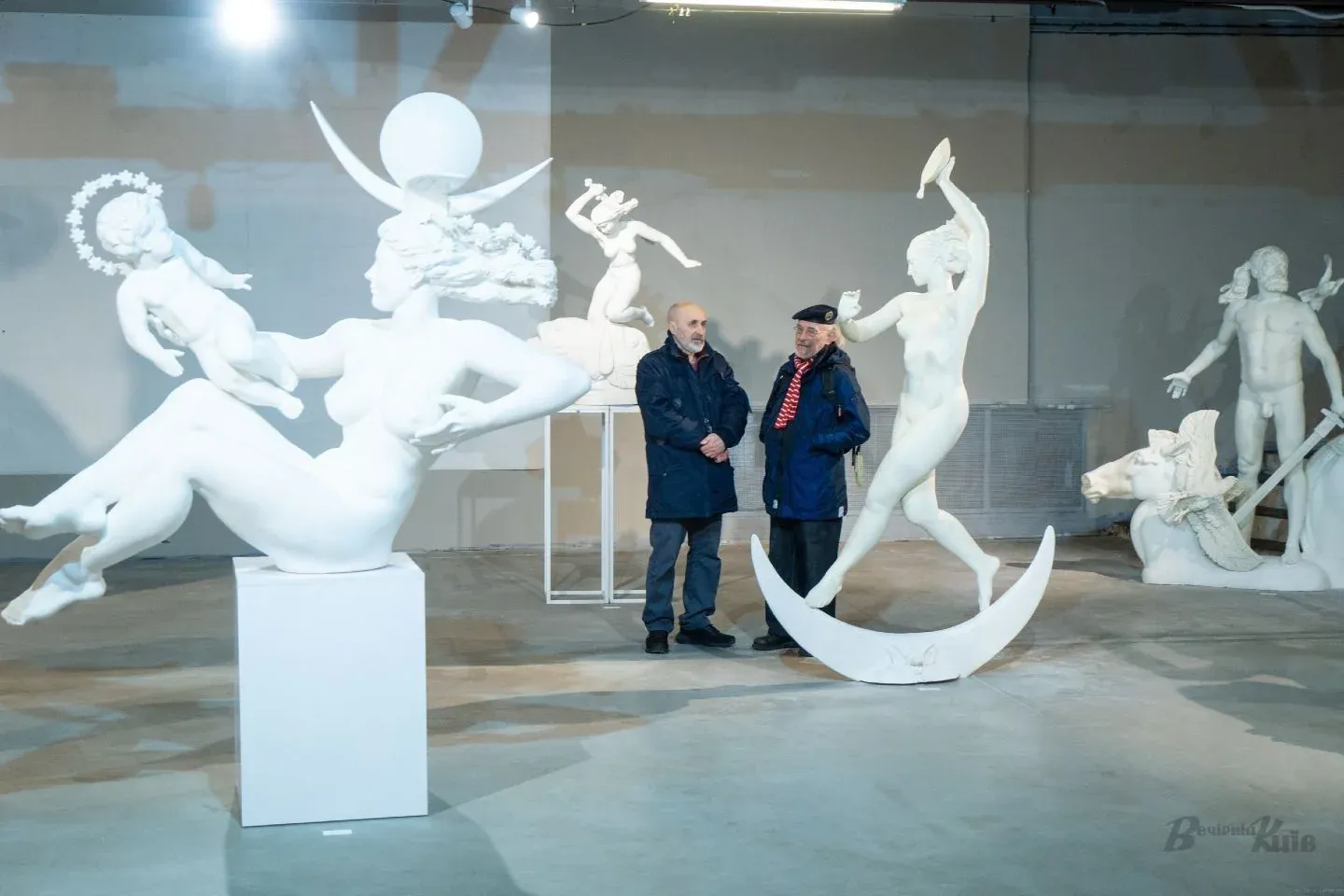
The exhibition has ended. Exhibition photos below.
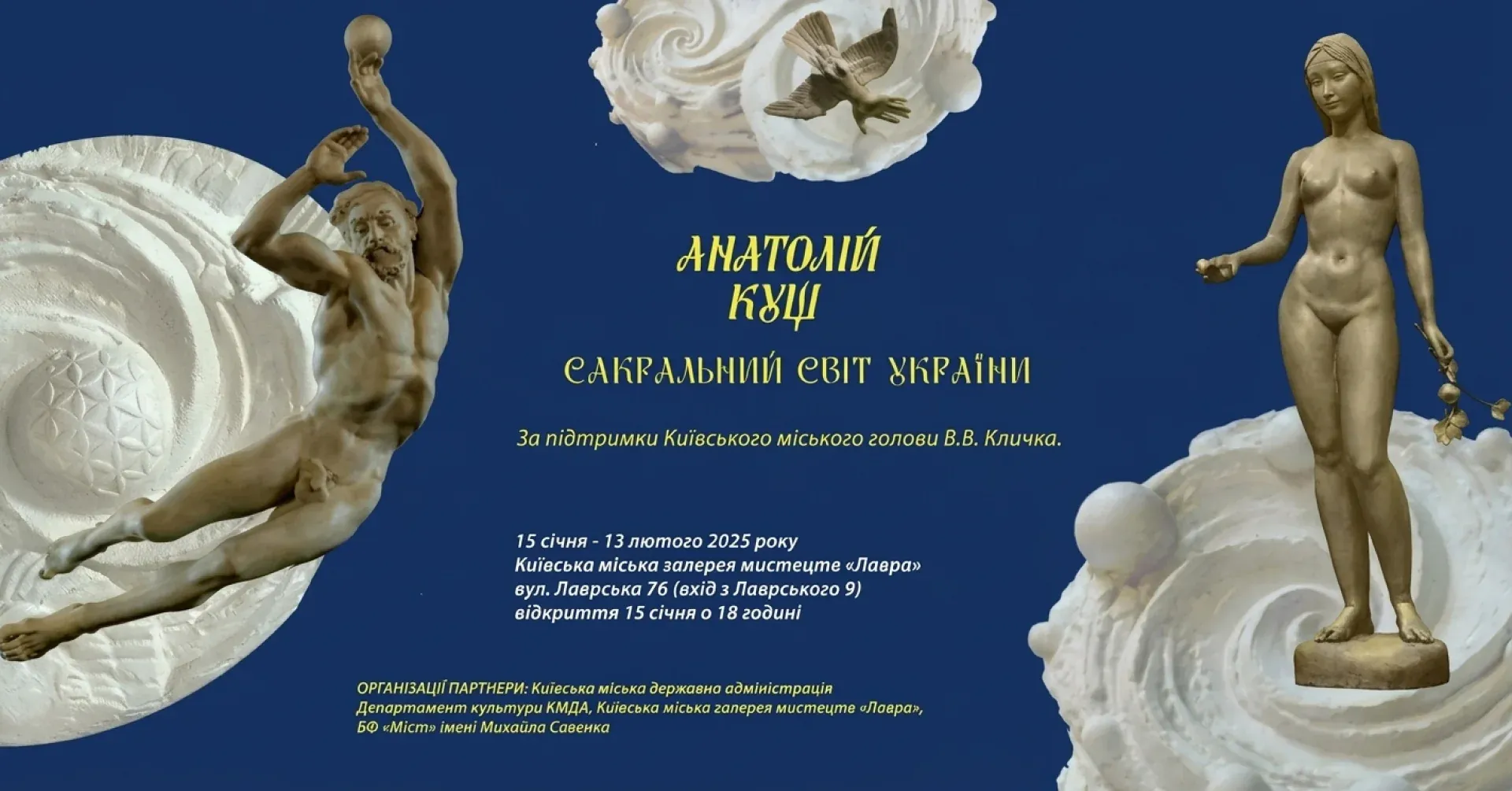
- Dates
- 15 January — 13 February 2025
- Time
- Tue–Sun 12:00–18:00, closed on Mondays
- Venue
- Kyiv City Art Gallery “Lavra”
main hall · 7b Lavrska St - Admission
- Please check with the organiser
About the exhibition
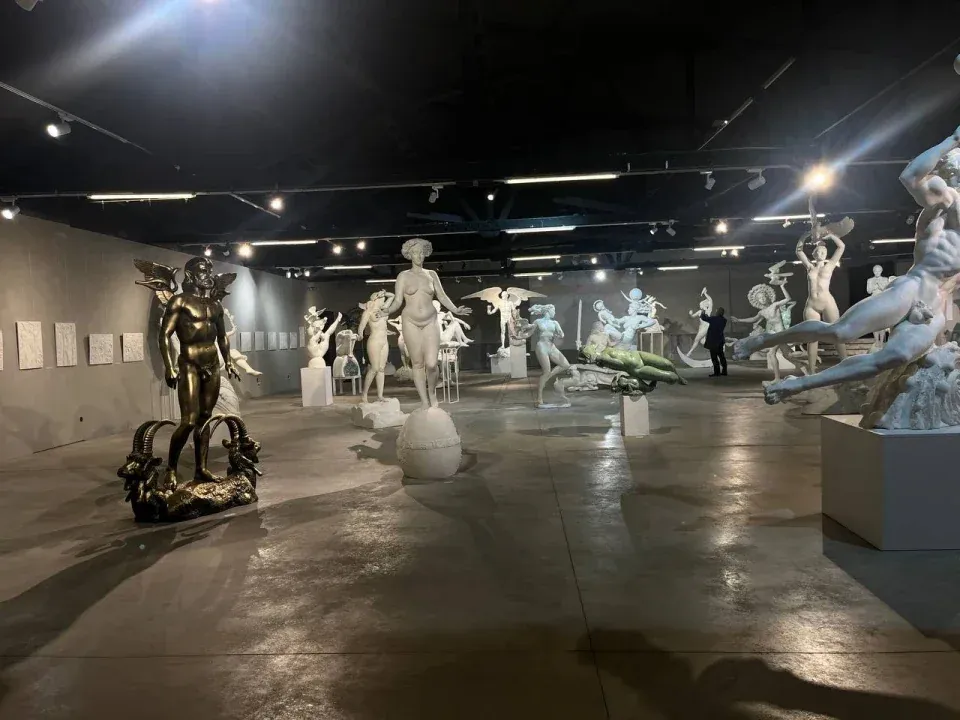
Anatoliy Kushch’s creative path has been swift, rich and turbulent. The sculptor’s energy and constant creative fire have produced a large body of work — monuments and memorials, park sculpture, reliefs, easel and small-scale sculpture.
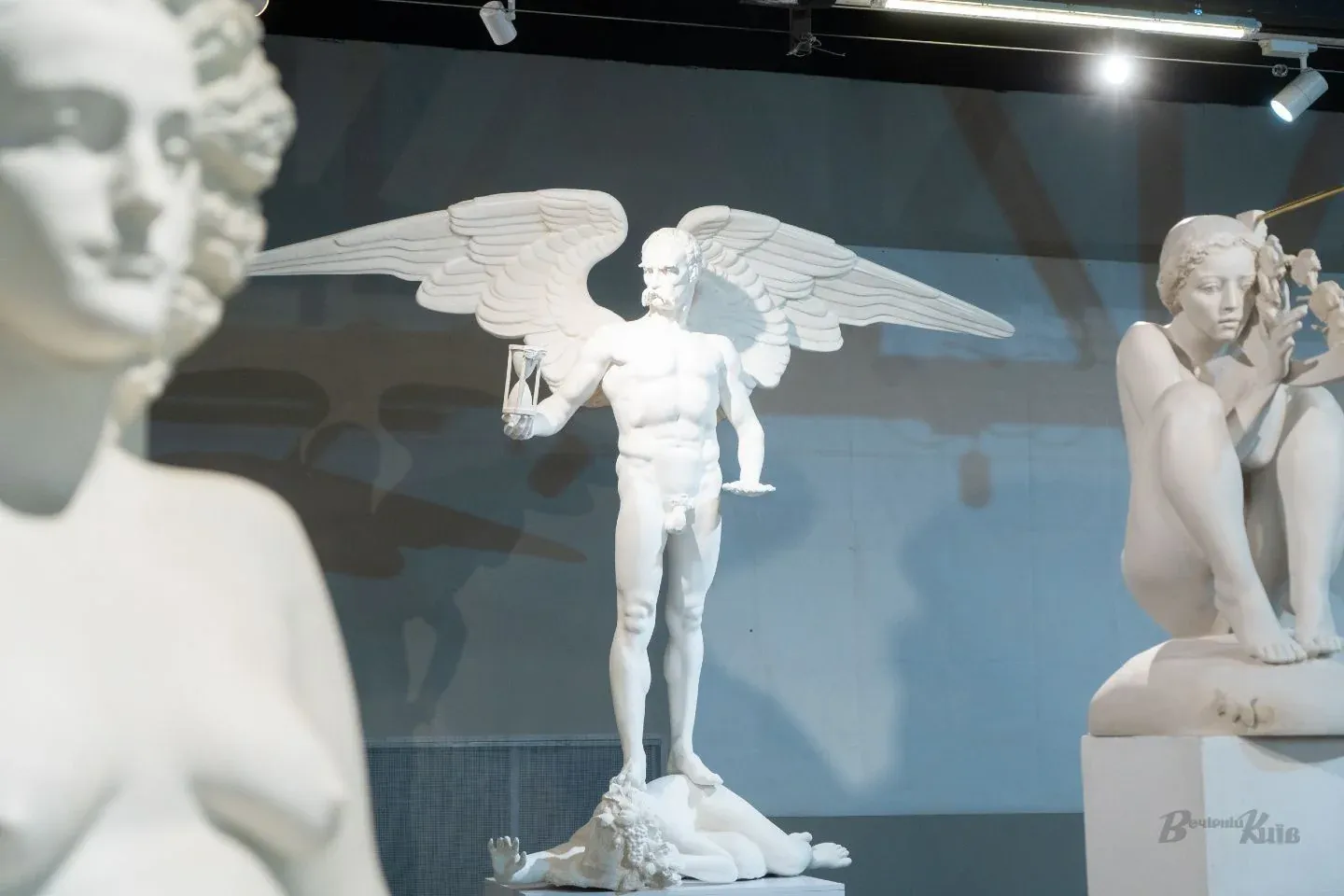
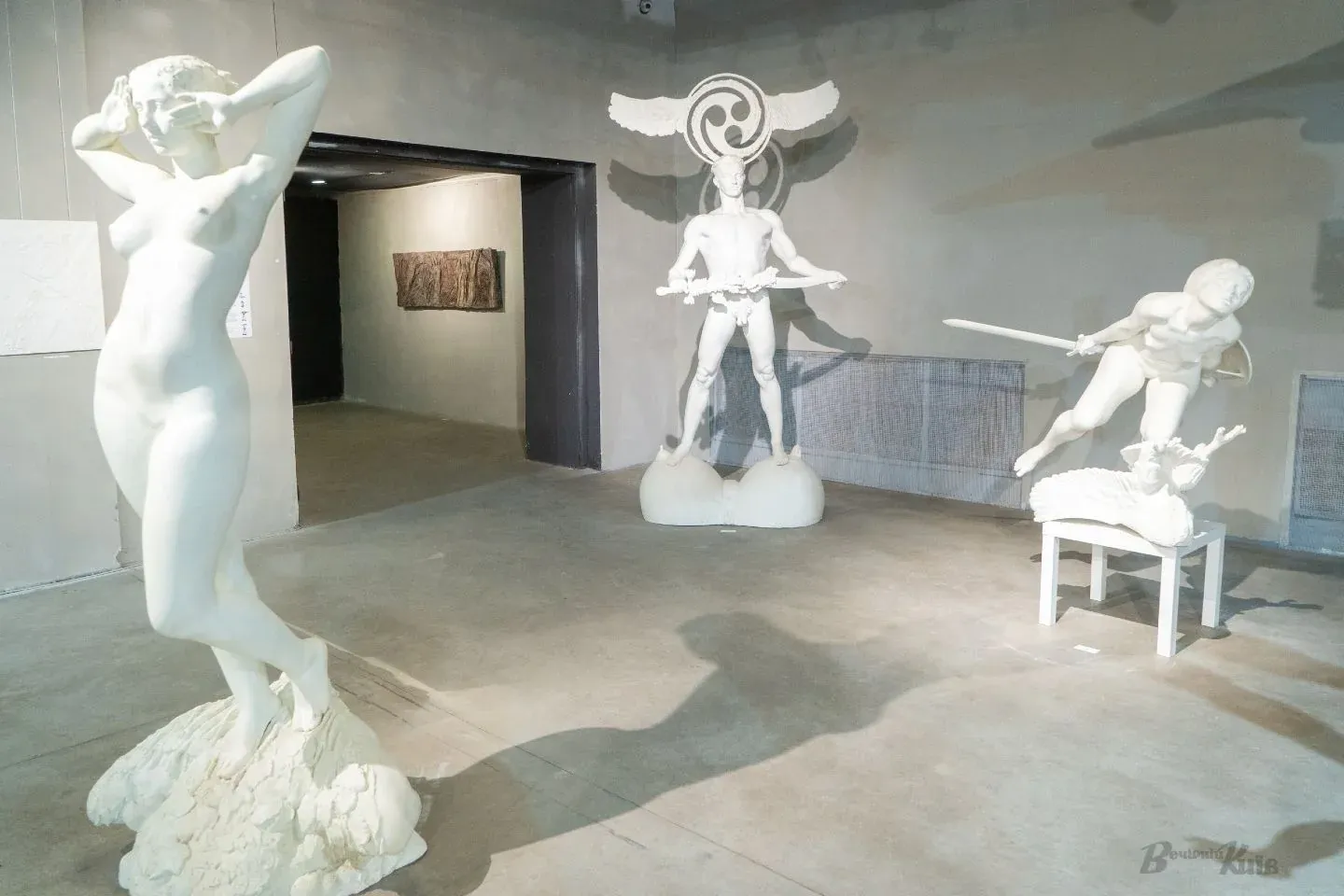
Anatoliy Kushch’s major sculpture series “Svarog’s Circle”, “Eternal Ode”, “The Creation of the World” and “Biblical Motifs” are the result of many years of work and an attempt to draw a line under another stage of his life. A mature master, he took on the responsibility of turning — passionately yet thoughtfully — to the roots of Ukrainian ethnic culture, to the cradle of the Ukrainian folk sacred worldview.
The idea that God is the Cosmos, the Absolute, the embodiment of infinity, and that God’s laws are cosmic laws to which people have given different names for their own convenience, deeply appeals to the sculptor. That is why, through his own work, he makes passionate attempts to catch and, at least tentatively, outline the features, signals and pulse of the primordial natural culture of the Ukrainian people.
In the unstoppable kaleidoscope of eras, centuries, times and fleeting moments of life — even through the global and powerfully unifying web — the national face of his native spiritual culture emerges in his work like an exquisite relief. Art historians usually give each artistic movement its own name — classicism, modernism, postmodernism… In this chain of terms it is worth recalling the notion of the great German philosopher Ludwig Feuerbach, who prophetically foresaw a “post-Christian era”. It is something close to a new renaissance, although the philosopher thought of this era above all as a humanisation — an exaltation of the truly human in man, of what the church had long suppressed, making people ashamed of the bodily as “sinful” and confining them within unnatural limits of the permissible. The philosopher believed that man must be exalted and given back the fullness of life in all its essential manifestations, and that “through the mediation of man, everything supernatural should be reduced to nature, and through the mediation of nature, everything superhuman should be reduced to man”. It is a liberation of spirit and body that does not contradict morality but only emphasises the beauty of divine creation and its age-old harmony with the laws of nature, society and the cosmic rhythms of the Universe — which are, in essence, immanent manifestations of the Divine among people.